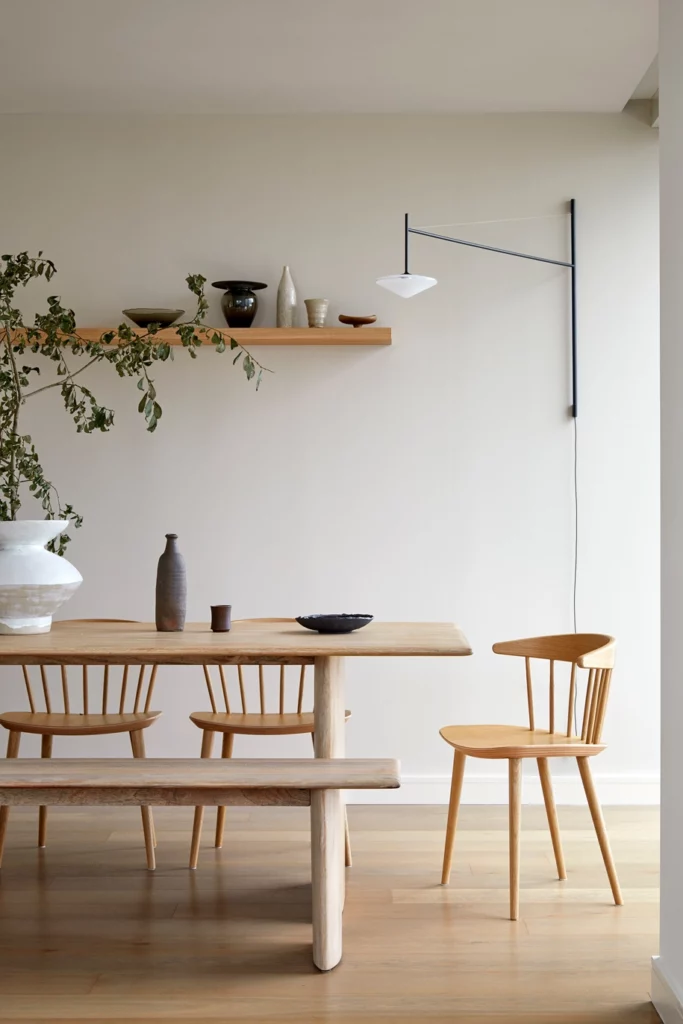
Assessing a property’s potential comes down to four things: where the light falls, how the spaces connect, what the garden offers, and where the constraints sit. None of them requires a tape measure.
The order matters. Layout is usually where the value is — moving circulation to one side of a terraced house can open a front-to-back flow from street to garden, often worth more and costing considerably less than extending. But light determines what any layout can achieve, which is why it comes first.
This article works through all four, along with the constraints worth establishing before you commit to anything: conservation area status, Article 4 directions, listed status, party wall obligations, tree preservation orders and rights to light. It is the first thing we do on any project, before a line is drawn.

Start With Light
Light is the quality homeowners notice most — and understand least. Not how much light a room receives, but what kind, when, and from where.
A south-facing rear garden floods ground-floor rooms with warmth, but can overheat a heavily glazed extension without careful design. A north-facing room receives cool, even light — often dismissed as gloomy, but valued for its consistency, and easily enriched with rooflights. East-facing rooms welcome gentle morning light. West-facing spaces glow in the evening.
Before speaking to an architect, spend a day noticing. Where does light fall in the morning? Which rooms feel dark by afternoon? Where does the sun set relative to your garden? These observations become some of the most valuable briefing information you can provide.
In Japanese design, this attentiveness to light has a name: Hikari. It treats light not as a technical requirement but as a living presence — one that shifts through a space over the course of the day, shaping mood and rhythm. We explore how this principle works in practice in our article on Hikari (Light).
Read the Layout, Not Just the Rooms
Before thinking about extending, consider whether the space you already have is working as well as it could.
Many homes have rooms that have become quiet casualties of habit — a rarely used dining room, an awkward middle room, a hallway that serves only as a corridor. These are opportunities. Rethinking internal layout is often more impactful, and significantly less expensive, than adding floor area. Moving circulation to one side of a terraced house, for instance, can unlock a front-to-back flow that connects the street-facing reception room to the garden.
The question we always begin with is not how much space do you need? but how do you want to live? Who uses each room, at what time of day, and how do those spaces relate to one another? A kitchen designed with the dining table position already considered. A living room oriented towards the garden rather than a wall. A hallway that welcomes rather than funnels.
This is the thinking that prevents the most common renovation mistake: making decisions before creating a plan. We explore that pattern — and how to avoid it — in our article The Biggest Mistake Homeowners Make Early On.


Look at the Garden as Part of the Home
In most London homes, the garden is treated as a separate space — something you walk out to, not something you live with. Assessing your property’s potential means looking at the relationship between inside and outside as a single design question.
Where does your garden sit relative to the rooms you use most? Can you see it from where you cook, eat, or sit in the evening? Is there a level change between interior and exterior, or could a flush threshold make the garden feel continuous with the living space?
These questions matter because the most successful extensions are those that draw the garden into daily life — not just as a view, but as a presence. Materials that flow from kitchen to terrace. Glazing that frames planting rather than exposing the whole garden at once. Threshold details that soften the boundary between built and natural.
We wrote about this in depth in Where Home Meets Garden, which explores how rear extensions can reshape this connection through light, material continuity, and considered architectural design.
Understand the Constraints
Every property operates within a framework of regulatory constraints — and in London, these are more layered than most homeowners expect. Conservation area status, Article 4 directions, listed building designations, party wall obligations, tree preservation orders, and neighbours’ rights of light all shape what is achievable.
Rather than covering these in detail here — we have a dedicated guide to Permitted Development vs Planning Permission and a separate article on Conservation Areas: Working Within Constraints — the key point is this: constraints are not obstacles. They are boundaries that, when understood clearly, guide more considered design.
A conservation area’s restrictions can encourage a more thoughtful approach to materials and proportion. A compact plot can lead to more inventive spatial planning. Knowing your property sits within an Article 4 direction or alongside a protected tree does not limit what is possible — it shapes how you get there.
The most productive starting point is a feasibility study: a structured assessment of your property’s planning context, structural condition, and design opportunities. It identifies risks and possibilities before fees accumulate — and it is where our own process begins.
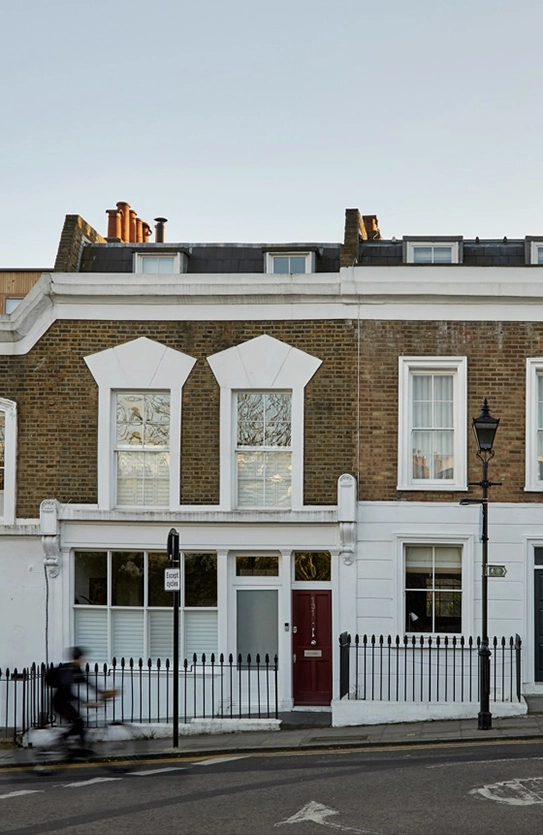
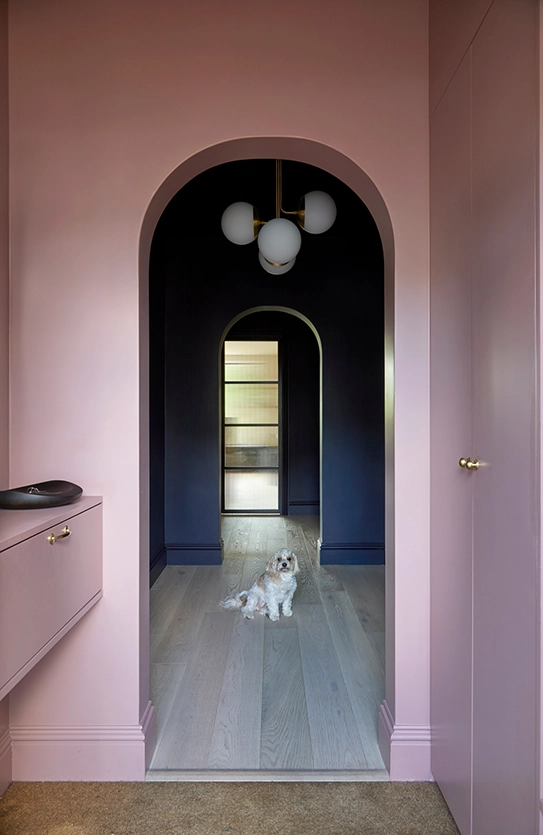
See the Whole, Not the Parts
The most common pattern we see is homeowners assessing their property one decision at a time. The extension is planned by one professional. The interiors are considered separately. The garden is left until the budget runs out.
When architecture, interiors, and garden are conceived together from the beginning, each decision supports the next. The extension is designed with the furniture layout already considered. The interiors are shaped by the garden views they frame. The garden flows naturally from the rooms where you spend your time.
This integrated thinking does not require a larger budget. It requires an earlier conversation — one that considers the home as a whole before any single element is designed in isolation.
Beginning With Attention
Assessing your property’s potential is not a technical exercise. It is an act of attention — noticing how light moves, how rooms connect, how the garden feels from inside, and where the quiet opportunities sit.
At YKD, this is where every project begins. Before we draw a single line, we listen — to how you live, to what your home offers, and to what it could become. The most considered renovations start not with answers, but with the right questions.