
A conservation area is a place designated for its special architectural or historic character. Inside one, work that would normally go ahead without permission — a rear extension, a roof alteration, replacing original windows — usually needs full planning approval instead.
That is the constraint. The more useful question is what to do with it. Councils are markedly more flexible about the back of a house than the front, and that single fact shapes most of what is worth pursuing.
This article sets out the rules, and then the more interesting part — how the constraints produce better buildings. Restraint, layering and the framed view are not compromises here. They are what the designation exists to protect.

What Are the Rules?
In a Conservation Area, some home improvements that might normally go ahead without permission—such as rear extensions, roof alterations, or replacing original windows—often require full planning approval. This is because local councils are responsible for preserving the visual character of the street and surrounding buildings.
There are also extra protections. Many Conservation Areas come with what’s called an Article 4 direction, which removes automatic permissions. In plain terms: even minor works like installing new front doors, changing cladding, or paving your garden may require planning consent. Trees are also protected—even pruning may need council notice.
It’s not always restrictive. But it does mean early conversations with the planning team are essential. The more you understand what matters most to the character of your street, the more you can work within it—creatively.
When Constraints Guide Better Design
Although Conservation Area rules focus on the exterior of a home, their impact often extends inward. Limitations on extensions, materials, and window placement can shape what’s possible inside—how light enters, how rooms flow, and how the original character is expressed.
Rather than working against these limits, thoughtful design can embrace them. Conservation guidance values harmony—proportions, materials, and context—which are often already present in period homes. With care, these features can be enhanced.
Respect the original: Tall ceilings, cornices, and sash windows provide a strong architectural framework. Preserving them gives depth and integrity to any interior reconfiguration.
Think in flow: Aligning layouts, openings, and finishes across new and existing spaces creates calm continuity.
Design for light: A modest rear extension with a skylight or well-placed glazing can transform darker interiors—without changing the street-facing façade.
In this way, working within exterior constraints becomes a catalyst for better interior design decisions.


Yūgen and the Art of Restraint
At YKD, we often draw from Japanese design principles when working within British heritage settings. One of these is Yūgen (幽玄): a sense of quiet beauty that comes from restraint, subtle layering, and depth.
Rather than introducing bold contrasts, we look for what’s already present—a weathered brick wall, timber windows, original stucco—and build around it. New additions (lighting, cabinetry, flooring) are designed to support, not compete. Natural materials, a muted palette and hidden storage allow the architecture to take precedence.
This approach is especially valuable in Conservation Areas, where buildings have stories worth listening to. Restraint becomes a tool—not just to meet rules, but to create rooms with lasting calm.
Read more in our journal article:
How to Blend Japanese Minimalism with Victorian Architecture.
Nagame and the View Beyond
Another guiding idea is Nagame (眺め): designing with views in mind. In practical terms, this means thinking about what you see as you move through a home—and especially how you look out to the garden.
While front-facing changes are usually tightly controlled in Conservation Areas, councils tend to be more flexible about rear ground-floor extensions, as they have less visual impact from the street. This opens an opportunity: carefully placed glazing, minimal-framed doors, and low-silled windows can bring the garden into everyday view. A tree, a climbing plant, or even morning sky seen from a kitchen bench can completely shift the feeling of a room.
By using openings with intention, the outdoors becomes part of the interior rhythm. This approach not only meets planning goals—it supports wellbeing, balance, and connection to nature.
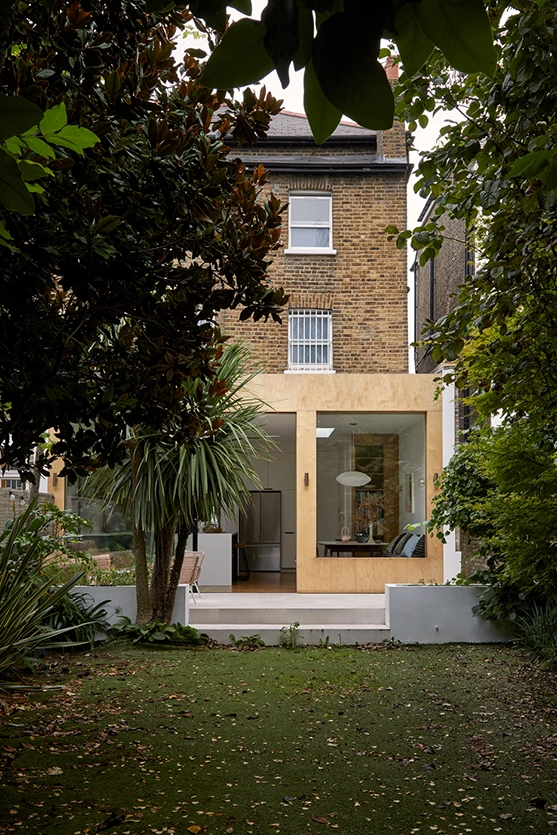

Thoughtful Homes Within Heritage Settings
Conservation Area rules might initially feel limiting, but they can encourage something better: a slower, more intentional design process that honours both past and present.
At their best, homes in these protected neighbourhoods are layered and grounded—places where careful edits have been made, but the story of the building remains clear. That’s the balance we seek: a home with modern comfort and clarity, quietly shaped by its setting.