
A full renovation of a London period house typically runs twelve to eighteen months from the first design meeting to handover. Design takes eight to sixteen weeks. Planning permission, where it is needed, adds around eight more. A party wall agreement requires two months notice as a minimum. Construction — the part most people picture when they think about renovating — is often the shorter half.
Most of the delay is not building work. It is the sequence of approvals, surveys and decisions that has to happen before anyone reaches site, and which parts of it can run in parallel is rarely obvious from outside.
This article gives realistic durations for every stage, from a three-to-six-month internal refurbishment to the four to six months a basement adds before fit-out even begins, and what puts a project at the fast or the slow end of each range.
The figures come from projects we have run, not from an industry average.

Design — The Work Before Construction
This is the phase most homeowners underestimate. Before any builder steps on site, the design needs to be resolved — and resolved properly. That means more than a floor plan showing walls and doors. It means understanding how you live, how each room connects to the next, how light moves through the space, and how the home relates to its garden.
A considered design process moves through several stages. The briefing phase typically takes one to two weeks. This is where a designer asks detailed questions about your daily life — not just how many bedrooms you need, but who uses each space, for what, and at what time of day. It also establishes the design programme: a week-by-week timeline for the entire project, set out from the very beginning so you know what to expect and when decisions will be needed.
The concept phase follows, usually over two to four weeks. This is where layout options are developed — ideally with furniture positions, lighting, and garden connections already considered, not left to later stages. Mood boards establish the aesthetic direction. A thorough studio will also produce a full cost estimate at this point: not just the builder’s fee, but every finish, fitting, and piece of furniture, itemised room by room. This level of cost clarity early on is rare, but it prevents the budget surprises that derail so many projects mid-build.
Design development takes a further three to five weeks, translating the agreed concept into room-by-room specifications with actual products, materials, and finishes. If planning permission is required, application drawings are prepared and submitted during this stage.
Finally, the technical detail phase — typically two to four weeks — produces the precise, buildable drawings and schedules that the contractor will work from. The thoroughness of this package directly determines how smoothly the build runs. When drawings are vague or incomplete, the contractor fills in the gaps — and those gaps are where mistakes, delays, and additional costs arise.


In total, the design phase takes roughly eight to sixteen weeks. This assumes the project does not require a planning application. Where planning permission is needed, add approximately eight weeks for the standard determination period — and potentially longer if pre-application discussions, revisions, or discharge of conditions are involved.
Party wall obligations can extend the timeline further. The Party Wall etc. Act 1996 requires a minimum of two months’ notice before work to a party wall. If a neighbour does not respond within fourteen days, a dispute is deemed to have arisen and surveyors must be appointed — adding more time before construction can begin.
For a project that requires both planning permission and party wall agreements, the pre-construction phase can realistically stretch to six months or more. This is not wasted time. It is the work that makes everything that follows run to programme. The temptation to rush design is one of the most common and costly mistakes in renovation — something we explore further in our article The Biggest Mistake Homeowners Make Early On. For more on the planning approval process itself, see Permitted Development vs Planning Permission.
Construction
This is the phase most homeowners focus on — and the one where expectations most often diverge from reality.
Timescales vary considerably depending on the type of work. A straightforward internal refurbishment of a house might take three to six months on site. A single-storey rear extension with internal remodelling typically runs four to seven months. A loft conversion, three to four months. A project combining a rear extension, loft conversion, and full refurbishment could run eight to twelve months. Basement excavation often adds four to six months for structural and waterproofing work alone, before fit-out begins.
What causes delays? Lead times for doors and windows are a frequent factor. Natural stone, bespoke joinery, and specialist fixtures often require eight to sixteen weeks’ notice. Unforeseen structural issues or covered-up work in older properties can add time, as can weather and the coordination of multiple specialist trades who must arrive in the right sequence.
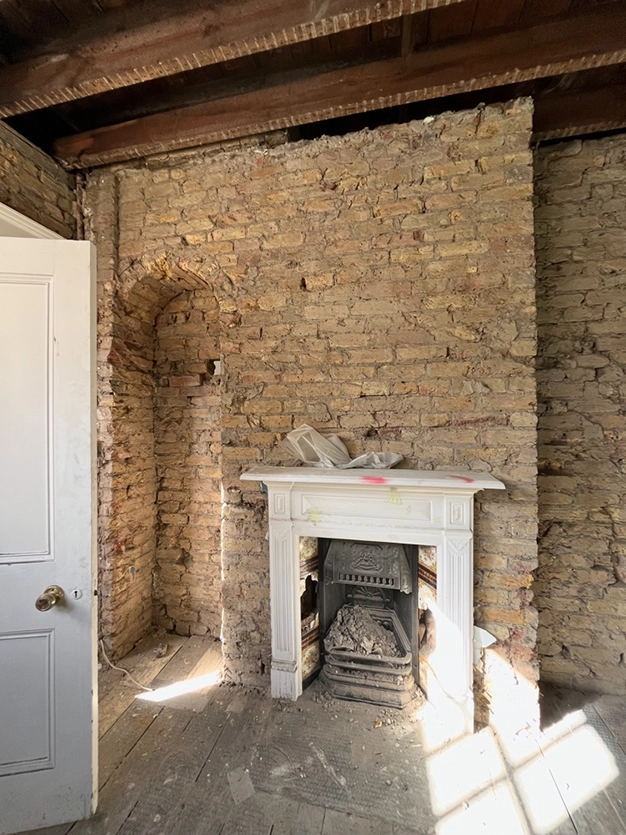

It is also worth being prepared emotionally. A renovation always looks worse before it looks better. Rooms are stripped back, walls come down, and for a period all you see is dust and scaffolding. This is the longest phase of the process and, for most people, the most trying. Every project we have delivered has gone through this stage — and every one has ended beautifully.
What keeps construction on programme is the quality of what came before it. A thorough design package — with detailed drawings, precise specifications, and a clear scope of works — means fewer questions on site, fewer variations, and fewer surprises. Procurement managed in parallel with the build programme, ordering materials according to when the site needs them and coordinating specialist trades in the right sequence, keeps the project moving steadily forward.
Handover and Settling In
Completion is not the same as moving in. Once building works finish, there is a snagging period — a careful inspection to identify and resolve any defects or unfinished items. Every project has a snagging list. Some are long. This is normal, not a sign that something has gone wrong. The list gets worked through item by item until everything is resolved.
Furnishing, styling, and final installations — curtains, lighting adjustments, artwork — typically add a further two to four weeks. Where furnishings have been specified and ordered during the build phase, this transition is considerably smoother. Furniture arrives ready to be placed. Accessories are already sourced. The gap between building site and finished home closes quickly.

Planning for Calm, Not Chaos
A realistic timeline is not a constraint — it is a form of clarity. Knowing the stages, understanding where time is invested, and preparing for the emotional arc of the process allows you to approach renovation with confidence rather than anxiety.
At YKD, we set out a design programme at the very beginning of every project — a week-by-week timeline covering what we are working on, when to expect presentations, and when decisions are needed. Nothing comes as a surprise. That is the purpose of a considered process: not just a beautiful result, but a calm path to reach it.