
Yoko’s Finds: Winter Gift Guide 2023

As we near the winter solstice, appreciating the sun’s blessings becomes ever more poignant. Our December on Instagram has been devoted to sharing ’25 Ways to Embrace Seasonal Living’. Living in sync with the changing seasons isn’t just about adapting; it’s about cultivating a deeper connection with nature’s rhythms. Seasonal living champions mindful eating, conscious consumption, and […]
5 Beautiful Gardens – Kyoto
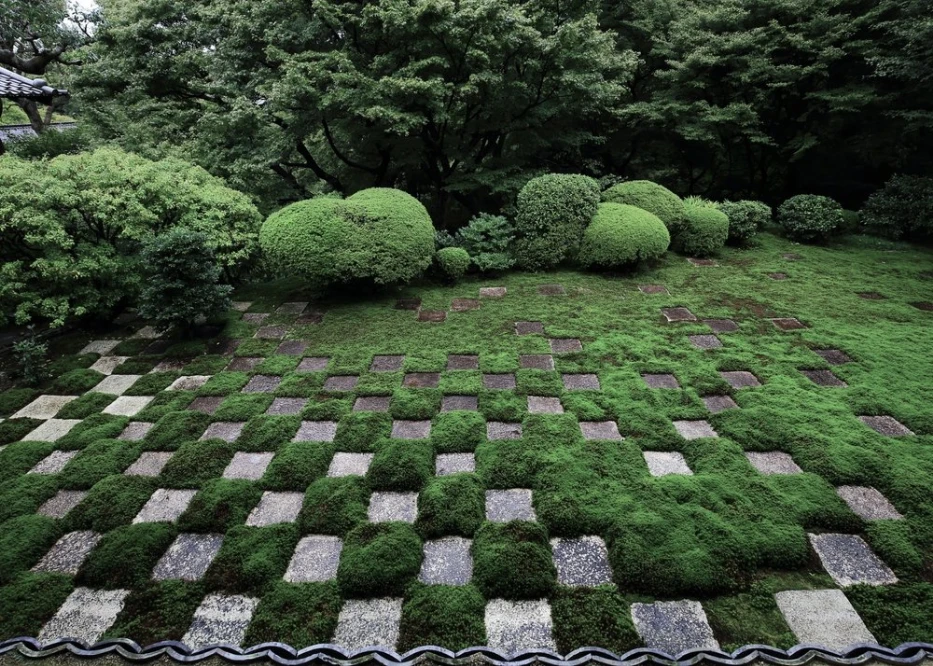
A Japanese garden is not an arrangement of plants but a composed landscape built to be read in sequence — moss, stone, water and borrowed distance set out so the view resolves differently every few steps, and differently again each season. Kyoto holds the densest concentration of them anywhere, most attached to Zen temples founded […]
The Newt in Somerset
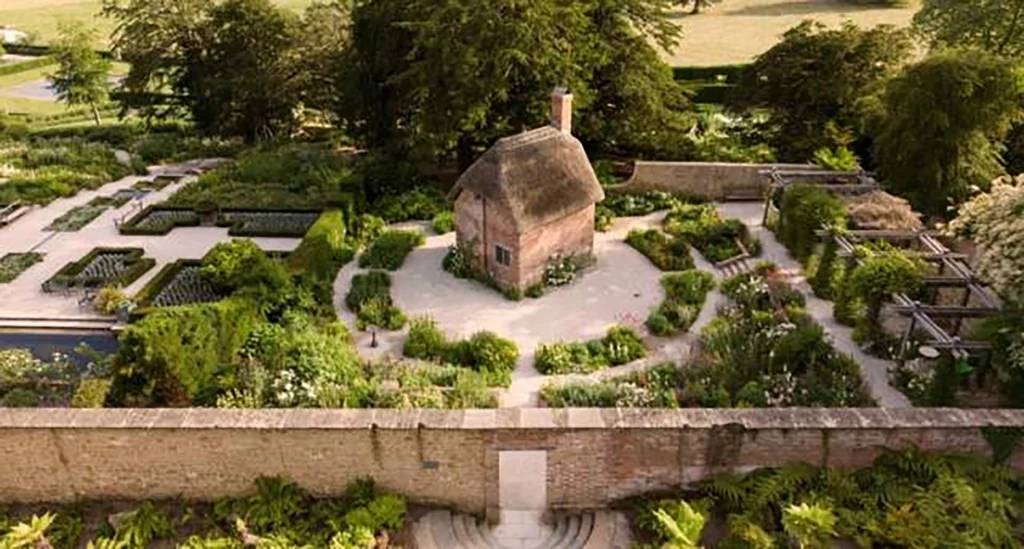
As an architectural studio, we aim to create cherished moments within the spaces we craft. Private homes hold a special place in our hearts as they often mean the most to people. When a last-minute invitation to experience The Newt in Somerset came my way, I jumped on the opportunity without hesitation. The Newt in […]
Crafting a Japanese-Inspired Haven
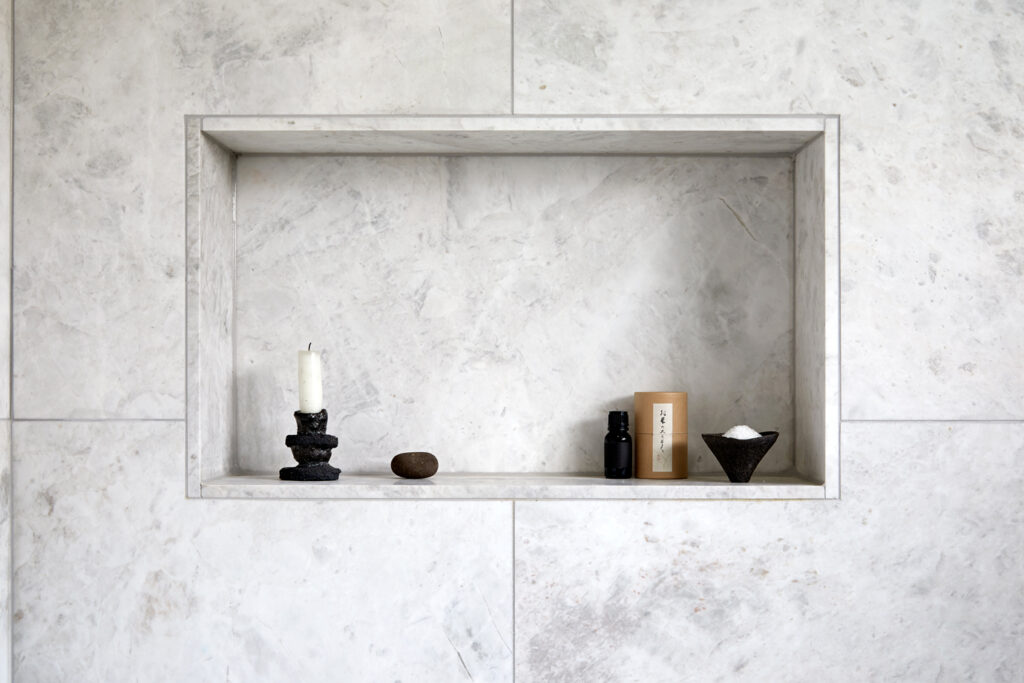
At our studio, our passion lies in creating homes that offer serenity amidst urban life. Our recent ‘Essence of Japan’ project – a transformation of a 1960s terrace in West London – is a perfect example of how we blend Japanese design philosophy with modern living to create a harmonious retreat. The project was featured […]
Design Principles – 5. Taru O Shiru (Less is More)
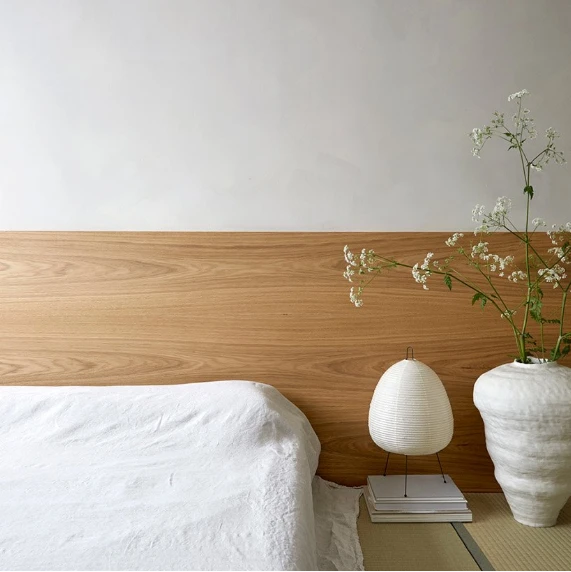
Taru o Shiru (足るを知る) translates directly as knowing what is enough — a principle of sufficiency rather than scarcity, and one that sits closer to editing than to minimalism. At Ryōan-ji in Kyoto a stone tsukubai water basin carries four characters, 吾唯足知, arranged around a central square opening that doubles as the radical each one […]
Design Principles – 4. Shizen (Nature)
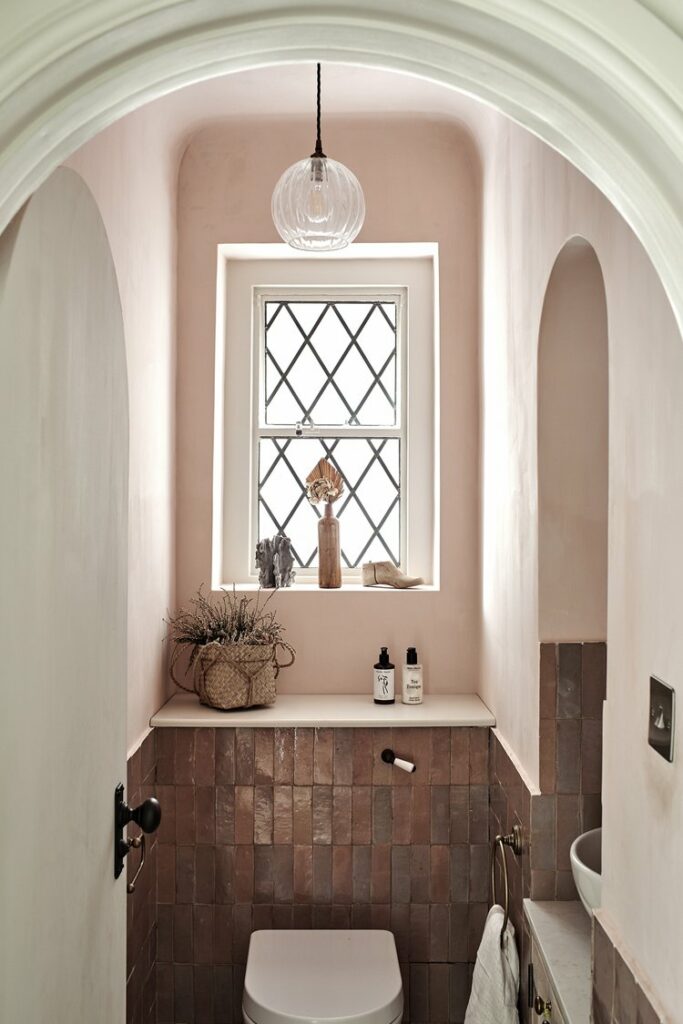
Shizen (自然) is the Japanese design principle of working with nature rather than decorating with it — choosing materials that breathe, age and register the season, so the natural world is structural to a room rather than applied to it. The thinking comes from the tea house. The chashitsu formalised in the sixteenth century, as […]
Design Principles – 3. Ma (Space)
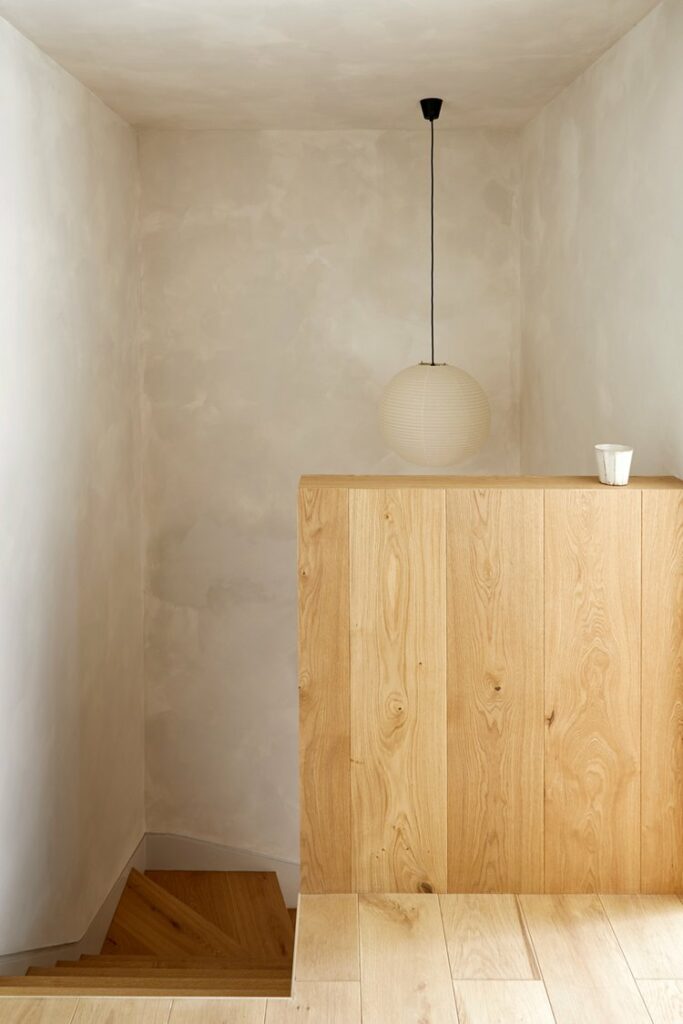
Ma (間) is the Japanese principle of meaningful emptiness — the idea that the space between things is not what is left over but an element in its own right, shaped as deliberately as anything placed within it. Western design tends to read objects as positive and empty space as negative. Japanese design inverts that. […]
Design Principles – 2. Nagame (View)
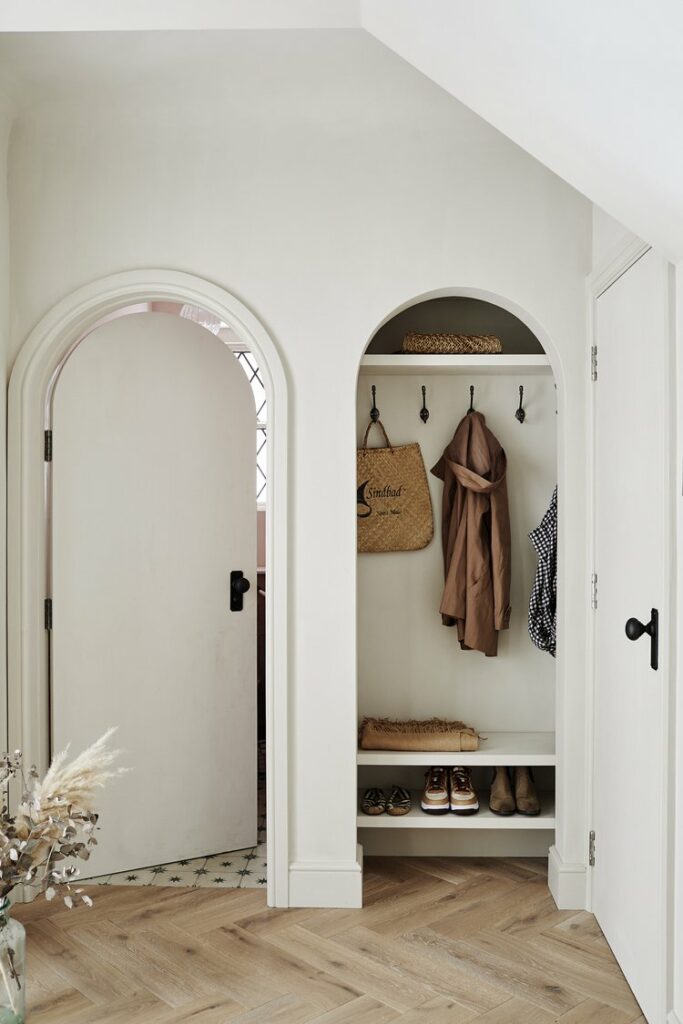
Nagame (眺め) is the Japanese design principle of the framed view — treating a window or a door not as an opening in a wall but as a picture frame, so that what lies beyond is composed deliberately rather than merely visible. It is inseparable from the traditional Japanese house, where shoji screens and sliding […]
Design Principles– 1. Hikari (Light)
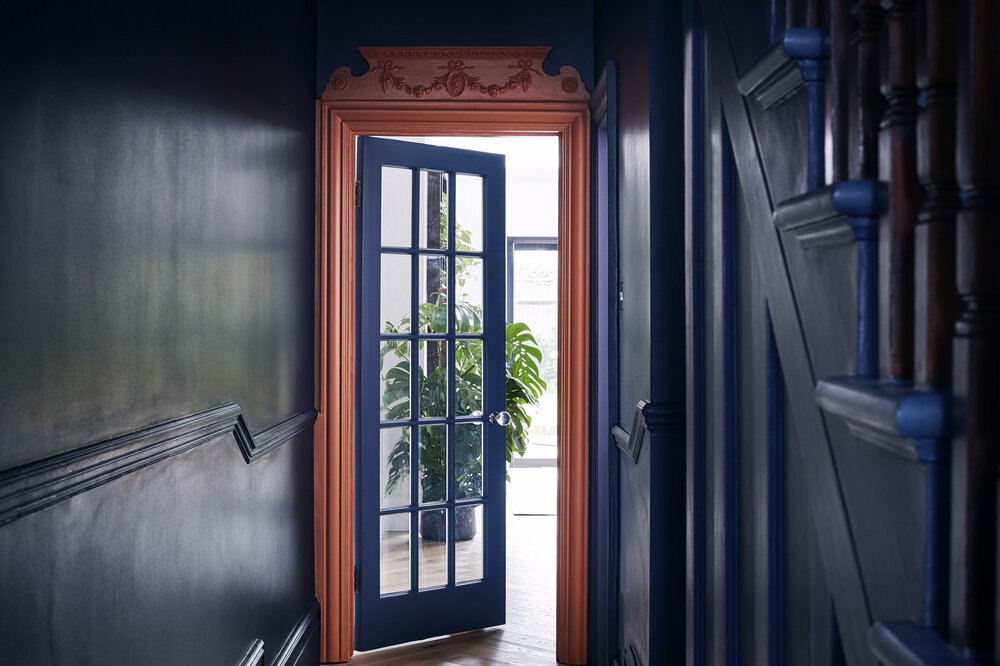
Hikari (光) is the Japanese design principle of light — though in Japanese aesthetics light is inseparable from shadow, and the principle is as much about where darkness is allowed to sit as about how much daylight a room takes in. Jun’ichirō Tanizaki made the case for this in his 1933 essay ‘In Praise of […]
Hotels Immersed In Nature
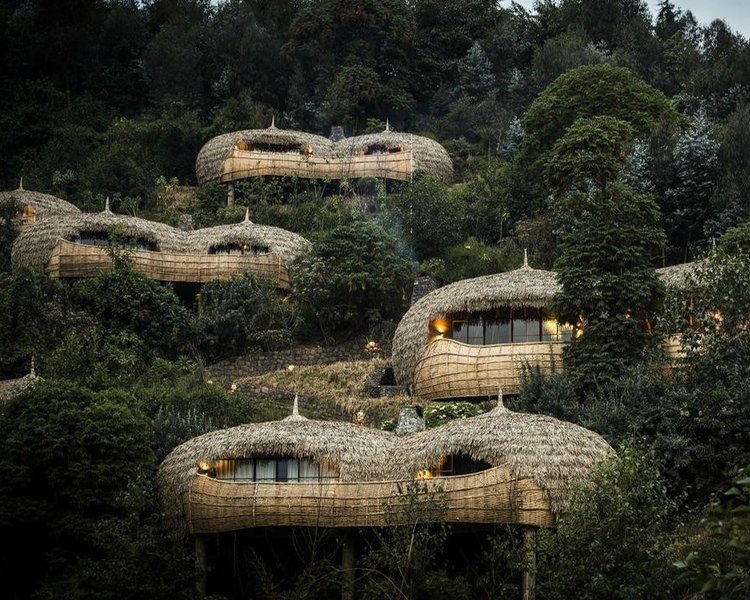
Central to our health and wellbeing, being in close proximity to nature is seen by many cultures as one of the greatest luxuries for living. For those of us that live in densely populated cities, it feels more important than ever to diversify our surroundings through travel, and experience the natural beauty and intricacies of […]