
A gardener in Japan told us something that has stayed with us. Interest in Japanese gardens overseas has never been higher, he said. People commission them, import the stone, source the maples. And then, a few years later, many of those gardens are gone — not destroyed, simply unrecognisable. They did not fail because the design was wrong. They failed because nobody had explained what a Japanese garden actually is.
There is a saying in the trade that puts it plainly: 施工が3割、維持管理が7割. Construction is three tenths; care is seven. The unit is wari (割), a part in ten, so the phrase is closer to three parts and seven parts than to a percentage — a proportion of the work, not a measurement of the bill. The three parts are what everyone pictures: setting the stones, shaping the ground, deciding where water runs, putting the trees in. The seven are everything after, and they are where the garden is actually made.
This is not a claim about budgets. It is a claim about authorship.
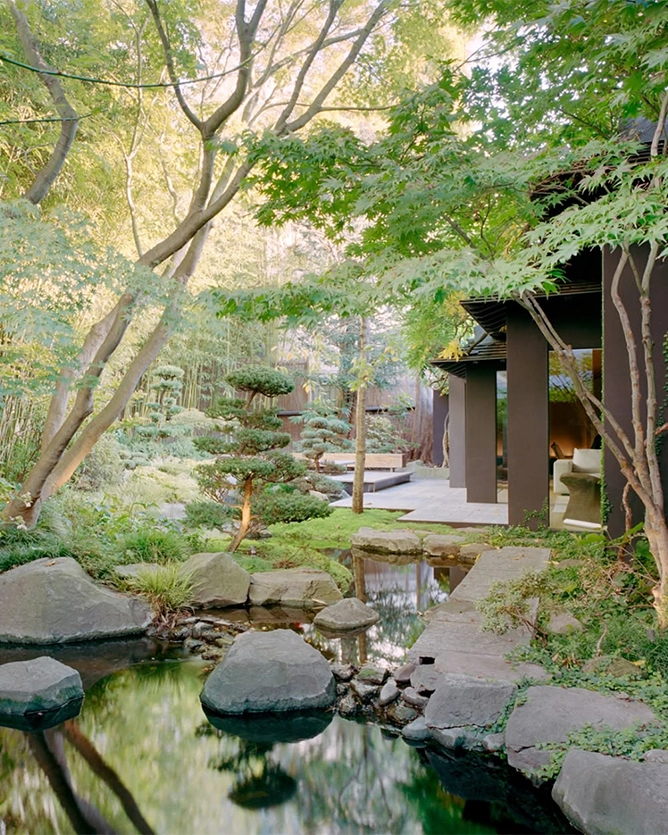
A Garden Is Not Finished When It Is Planted
The difficulty, and the pleasure, is that a garden is made of living things. A wall stays where it is put. A maple does not. It grows towards light, thickens on one side, throws out branches that will either become the shape you want in ten years or ruin it. Every cut a gardener makes is a decision about a form that does not yet exist. They are not tidying. They are drawing, slowly, in a medium that argues back.
Which is why a garden is almost always better photographed in its third year than its first. On completion day it is correct but thin — the planting sitting politely apart, the proportions right and the effect unconvincing. By the third year the plants have settled and begun to touch one another, the ground has knitted, the moss has decided whether it will stay. Nothing has been added. It has been allowed to become itself, with help.
This is not a quick fix. It asks for attention in the years after the excitement has worn off, and it returns something a finished object cannot: a garden that is better each year rather than slightly worse. We wrote about the philosophy underneath this in A Tale of Two Gardens and the traditions behind it in The ABC of Japanese Gardens.
The gardener’s observation is documented. There are now more than five hundred Japanese gardens around the world, and many have struggled for practical rather than aesthetic reasons: no trained staff, no maintenance provision, nobody who knows what the garden is meant to be growing into. In 2017, the Japanese government began sending specialists overseas to restore gardens that had drifted, leaving manuals behind so local teams could carry on. The design was rarely what had gone wrong.
The Contradiction We Meet Most Often
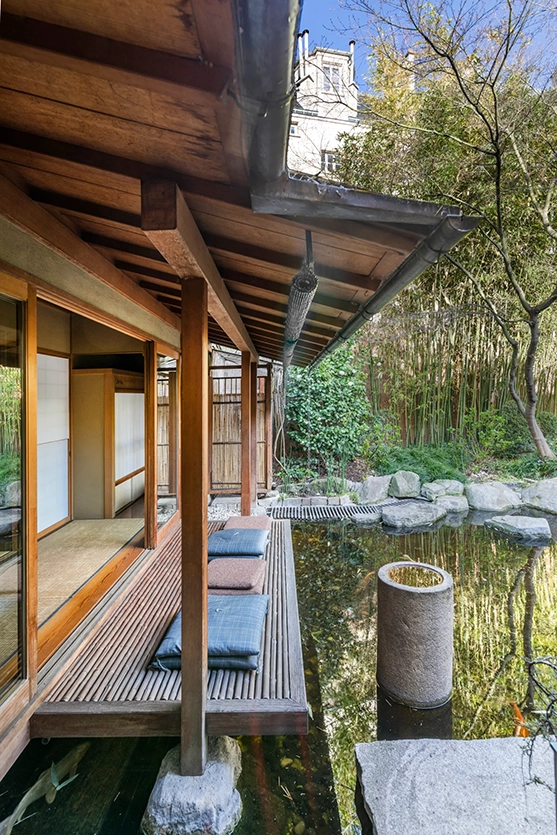
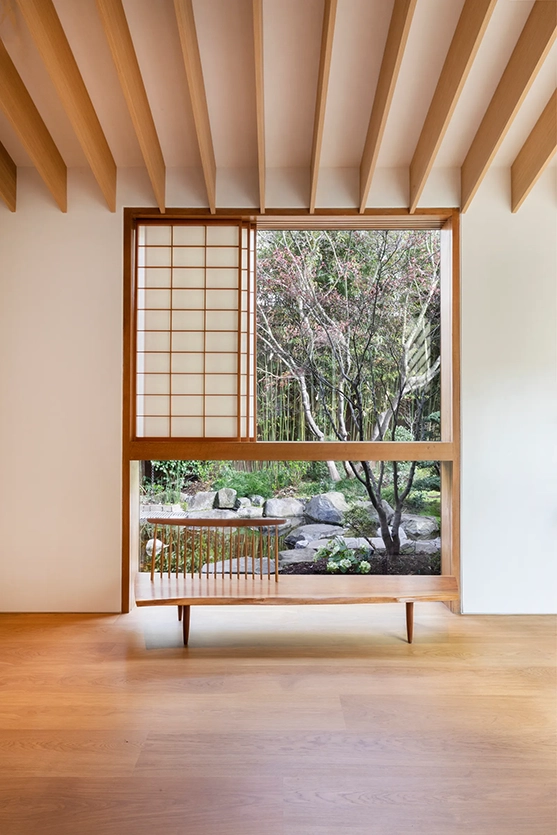
A domestic version of this appears in almost every project, and it is not a failing on anyone’s part. Clients tell us, sincerely, that they want a home connected to nature. Natural materials. Something that feels alive. Then, in the same conversation, they describe wanting every surface to look on the last day exactly as it looked on the first. Both wishes are held with conviction, and they cannot both be met, because a natural material that does not change is a contradiction in terms.
This is not hypocrisy. It is what happens when materials are sold as finished products. Every showroom and brochure shows the thing at the one moment it will never look like again — the day it was installed. Nobody markets year three. So when we explain what a natural material will need, some clients understandably reach for the version that asks nothing of them. The most common example is artificial lawn, chosen fairly often by people who began by telling us that what they wanted above all was greenery.
It is worth knowing what that trade involves. Artificial grass now covers around eighteen million square metres of the UK, and the RHS is direct about the consequences: a sterile surface that harms earthworms, offers nothing to pollinators, worsens run-off, and adds to the urban heat island rather than relieving it. Real planting cools by shading and transpiring; plastic heats well beyond air temperature in full sun, which matters more each year in a city facing more frequent and more severe heatwaves. Nor is it permanent — a typical lifespan is five to ten years, after which it is lifted and, in most cases, buried or burnt.
The honest summary is that it removes a maintenance task by removing the thing that was doing the work.
The Same Ratio Runs Through the House
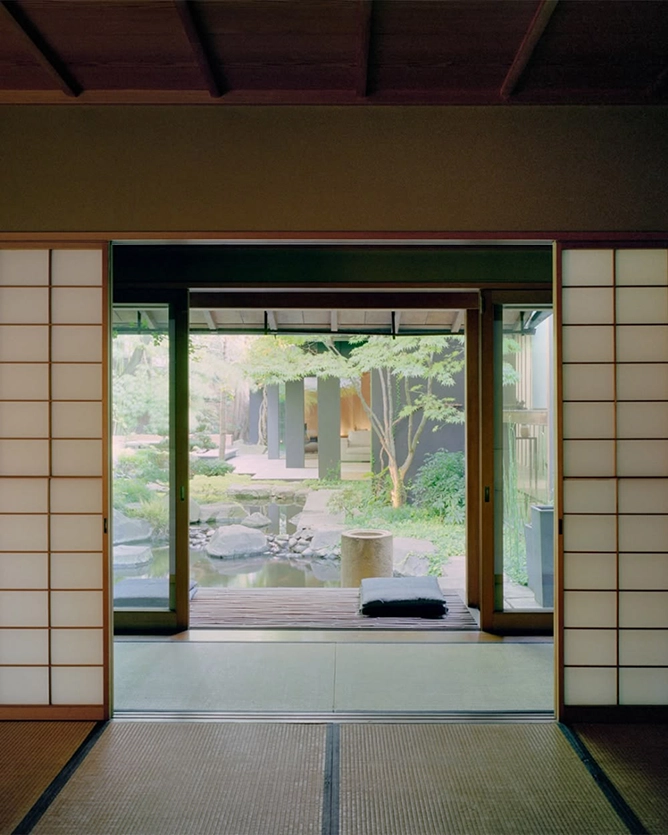
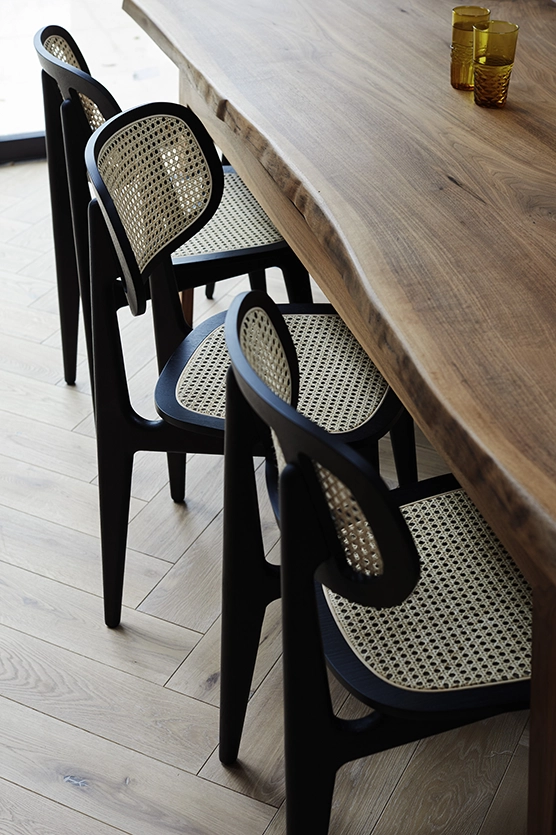
What happens in the garden happens indoors, more slowly and with less drama. Oak darkens. Lime plaster takes marks and softens at the corners. Unlacquered brass loses its brightness and gains a depth no factory finish can imitate. Stone develops a patina where hands and feet have been. A home specified only to look right on handover day peaks on day one and declines from there. A home specified to age has its best years still ahead when the photographs are taken.
This is the practical face of shizen (自然) — nature — and of valuing the marked and weathered over the pristine, which we explored in In Praise of the Imperfect. It is also why a house is better understood as a living system than as an object. Objects are completed. Systems are maintained.
There is a fair criticism to answer here. Occasionally a client tells us we specified the wrong material, when what has happened is that it was left untended for years. Sometimes they are right — the specification asked more attention than that household was ever going to give. The failure then is not the timber. It is that we did not establish early enough how much care this home would receive.
Designing for the Seven
Taking the seven seriously changes the brief. It adds questions that sound domestic rather than architectural, and that predict a successful home better than almost anything about style. Who will look after this — you, or someone you pay? How many hours a month is a truthful answer rather than an aspirational one? Do you want a garden that rewards attention, or one that survives being ignored, because those are different gardens and both are legitimate?
The answers change specification honestly. A household with little time is better served by materials that weather gracefully without intervention than by ones needing attention twice a year that they will not get. That is not a lesser home. It is an accurate one, and it is part of why we treat the garden as a subject from the first conversation rather than a final flourish, as we set out in Why Your Garden Needs an Architect.
It is also why every handover pack we issue includes a maintenance manual — not a formality, but a description of what each material wants, when, and what happens if it does not get it. The specialists sent overseas understood the same thing. The drawings were never the difficult part to export. The knowledge of how to keep the thing alive was.
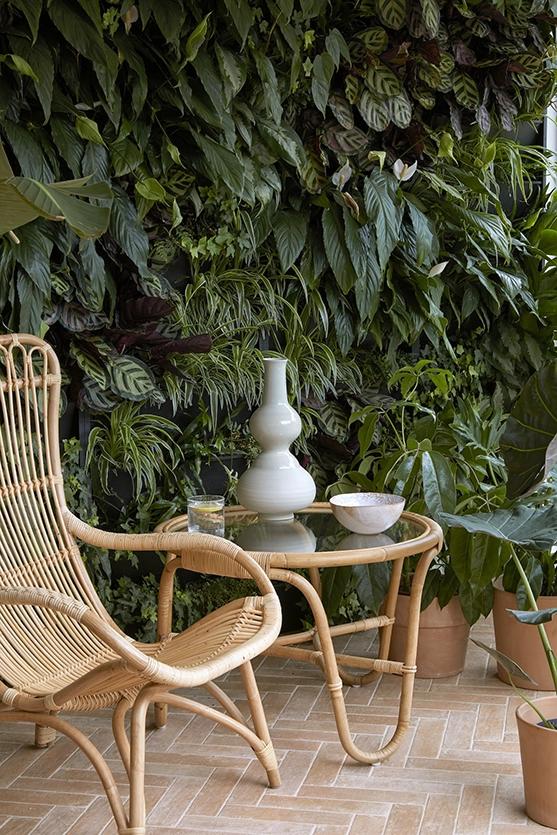
The seven are not an obligation attached to the three. They are the larger half of the work, and the more interesting one. A house and a garden that are cared for do not decline politely from a peak on completion day. They arrive somewhere better than the drawings promised, gradually, over years, in a way that cannot be bought or hurried.
The photographs at the end of a project are not the finished thing. They are the beginning of it.