
Japanese Bathrooms Are Planned for Stillness
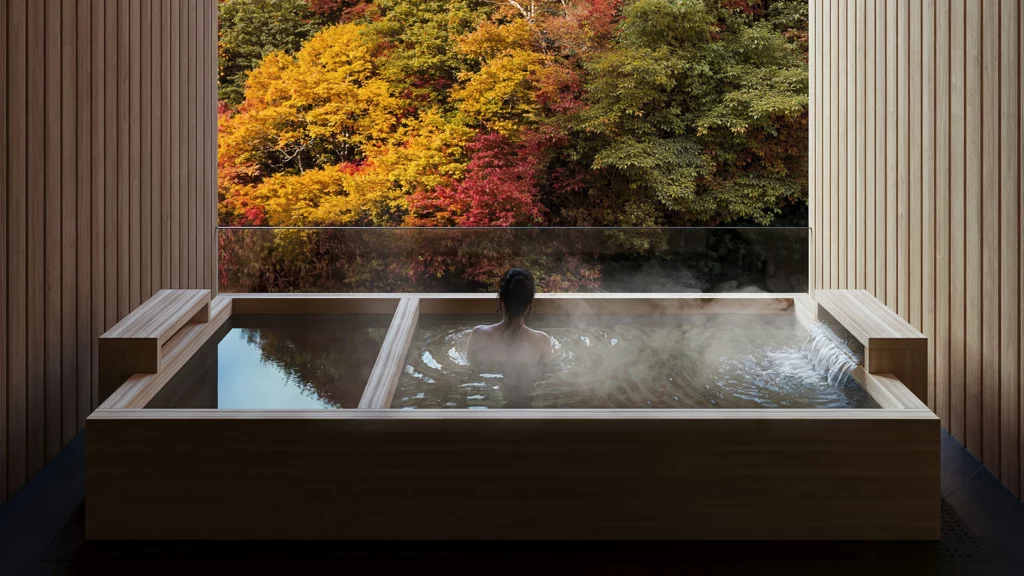
A Japanese bathroom is planned for stillness. You wash before you get in, not while you are in, so the tub is not where the cleaning happens — it is what comes afterwards, the close of the day and not a task inside it. That single inversion is why these rooms so rarely work when […]
Biophilic Design Is Not a Living Wall

Biophilic design is the practice of keeping a house in contact with the living world — through what you see from a window, what the rooms are made of, what grows inside and out, and where a person can sit and feel sheltered. It has a name and a date. Shinrin-yoku (森林浴), forest bathing, was […]
Fukinsei: Uneven, but Not Unbalanced
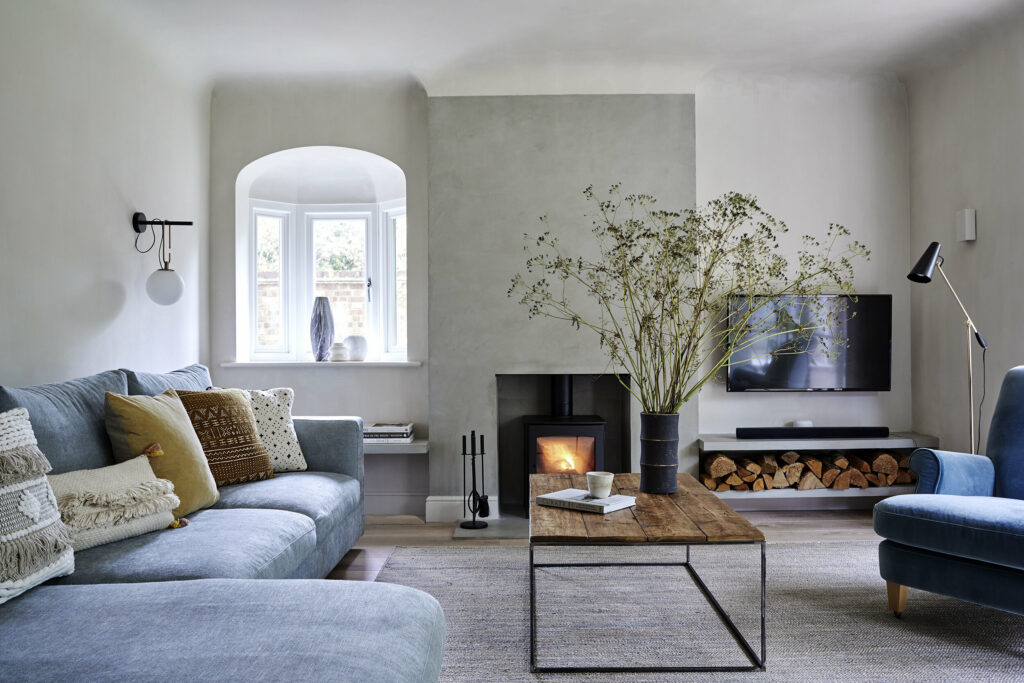
Fukinsei (不均斉) is the Zen aesthetic principle of deliberate asymmetry — the practice of avoiding the dead centre so that a composition reads as alive rather than resolved. In Zen thinking, symmetry implies completion, and completion implies an ending: something perfectly balanced has nowhere left to go. It is the first of seven characteristics of […]
A Listed House That Isn’t a Museum
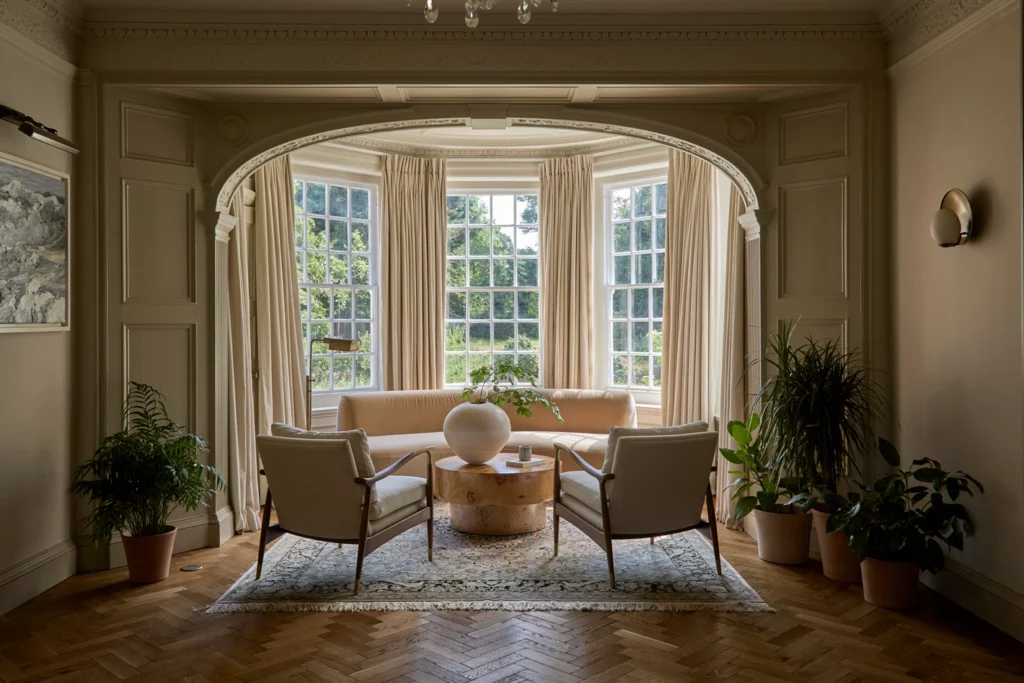
Modern Heirloom is a Grade II listed Queen Anne house in Ealing, built in 1888 as the private home of the architect Leonard Atkinson Shuffrey and reworked for a family of five without turning it into a museum. Shuffrey was known above all for his fireplaces, with commissions including the Bank of England, the Victoria […]
The Villa That Faces the Moon

Katsura Imperial Villa in Kyoto, begun around 1620 by Prince Hachijō Toshihito and extended by his son to roughly its present form by 1662, is the most closely studied garden-and-building composition in Japanese architecture. Its principal rooms are turned some 29 degrees off the cardinal axis — not towards the sun, but towards the rising […]
30% Construction, 70% Care
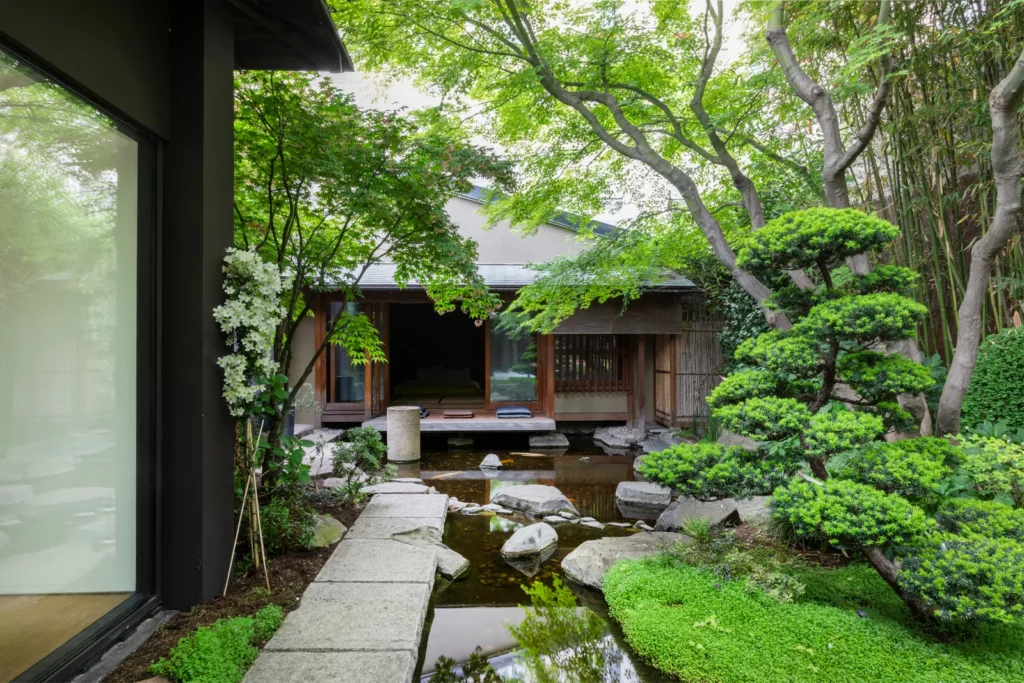
A gardener in Japan told us something that has stayed with us. Interest in Japanese gardens overseas has never been higher, he said. People commission them, import the stone, source the maples. And then, a few years later, many of those gardens are gone — not destroyed, simply unrecognisable. They did not fail because the […]
Every Kitchen Starts with a Conversation
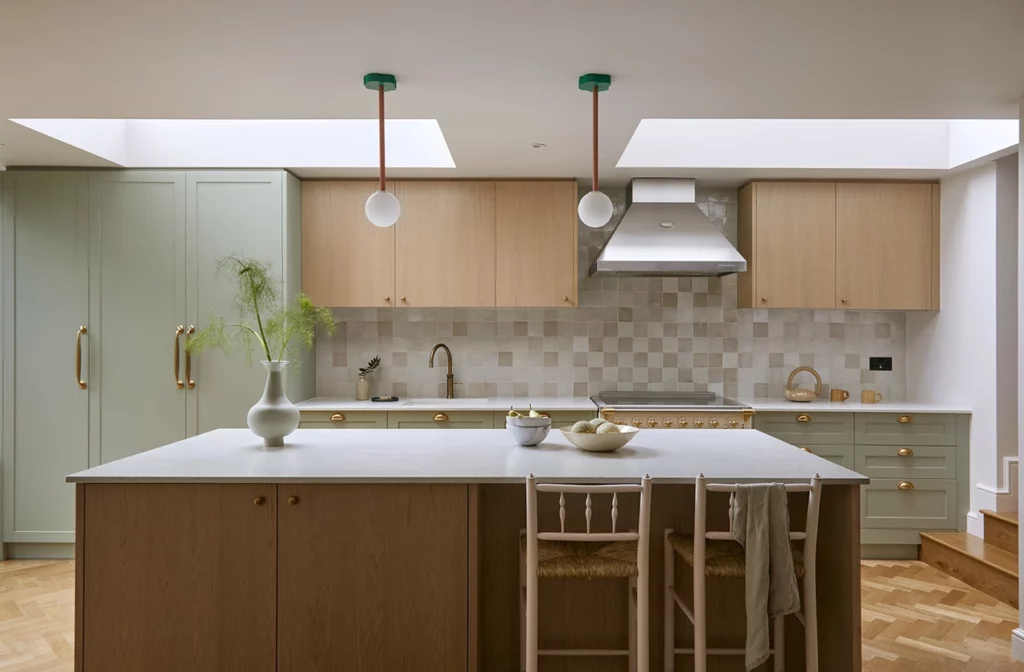
Clients arrive with images. Islands, pendant lights, handleless cabinets in a colour they found on a mood board. What they rarely arrive with is a clear picture of how they actually cook, clean and move through the room. This is not a criticism — kitchens are marketed as objects, not as spaces to be lived […]
The Case for Courtyards
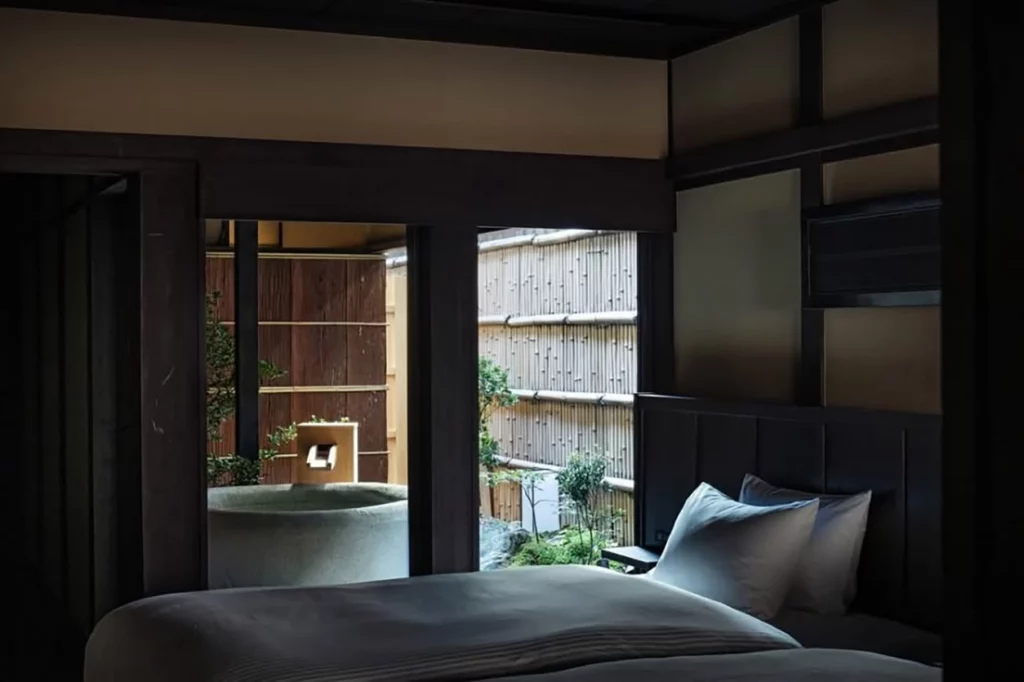
Walk through a traditional machiya townhouse in Kyoto and you will notice something unexpected. The building is narrow — sometimes barely four metres wide — and deep, stretching back from the street like a corridor. The rooms are dim, the walls close. And then, somewhere in the middle of the house, the walls fall away. […]
When Everything Is a Feature, Nothing Is

In Japanese ink painting, the master’s hand is recognised not by what is included but by what has been cut away. A branch removed from the composition. A corner of the landscape left unpainted. An entire figure suggested by three brushstrokes rather than rendered in full. The Japanese call this Kirisute no Bigaku (切り捨ての美学) — […]
Danshari: Before You Renovate, Let Go

At Yoko Kloeden Design, when we take a brief for a new project, we ask our clients to provide a full inventory of their storage requirements. What arrives is a laundry list: seasonal wardrobes, sports equipment, wine, books, kitchen appliances used once or twice a year, collections accumulated over decades. The brief then becomes a […]