
Victorian and other period homes across London have an inherent depth — generous proportions, crafted details and a sense of history that cannot be fabricated. These qualities align beautifully with the Japanese aesthetic philosophy of Yūgen, which values subtlety, atmosphere and the quiet presence of beauty rather than overt display.
At Yoko Kloeden Design, we spend much of our time sensitively enhancing period architecture while introducing the calm, grounded feeling found in Japanese homes. It is not about living with less, nor about erasing what makes a home unique. It is about refinement, clarity and connection — guiding the home back to a place of balance so its character and the lives of the people within it can flourish.
Below, we share how to weave Japanese design principles into a Victorian home in a way that honours its history and elevates its serenity.

1. Honour the Proportions: Period Architecture Already Holds Harmony
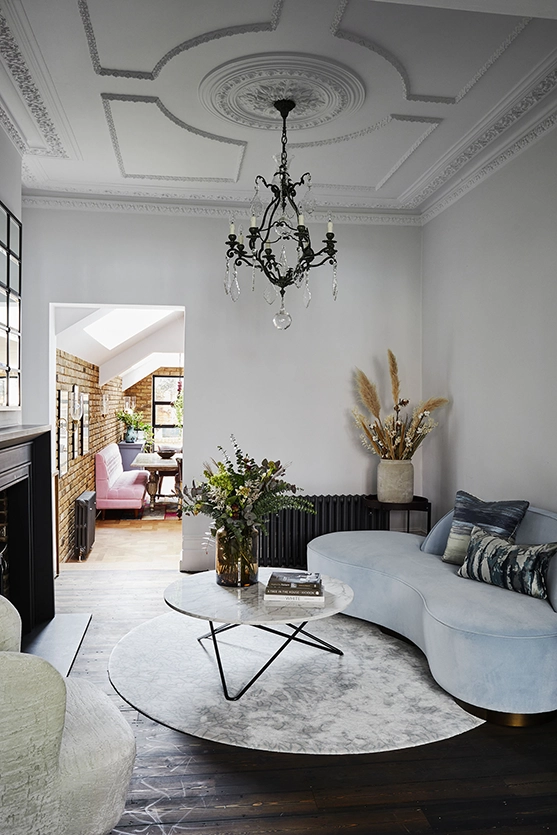
Period homes are defined by their proportions — tall ceilings, elegant windows, decorative mouldings, and details that create natural rhythm and dignity.
In Japanese design, proportion is a quiet but powerful force. Rooms feel calm when scale, spacing and relationship of elements are in balance. Victorian architecture already provides this backbone.
If your home retains original cornices, corbels, ceiling roses or dado rails, preserve them. These features root the home in its locality and history, creating the sense of groundedness that Japanese design also values. If they have been removed over time, reinstating them often restores the architectural “rightness” of the room.
A harmonious home begins with bones that work.
2. Enhance, Don’t Compete: Let Period Character Breathe
Original rooms — often at the front of the house — ask for a thoughtful, restrained approach. Rather than adding more visual weight, the goal is to create breathing room around the existing features so they can stand out with quiet confidence.
One of our guiding principles, Taru o Shiru (knowing what is enough), is not about minimalism but about allowing important elements to shine. This can be done through:
Carefully proportioned joinery that blends into the architecture
A curated palette of natural, calming materials
Furniture chosen for softness, warmth and clarity
Lighting that honours height, texture and mood
When the room is thoughtfully edited, its original beauty becomes more visible — not diminished.

3. Extensions as an Opportunity for Contemporary Harmony
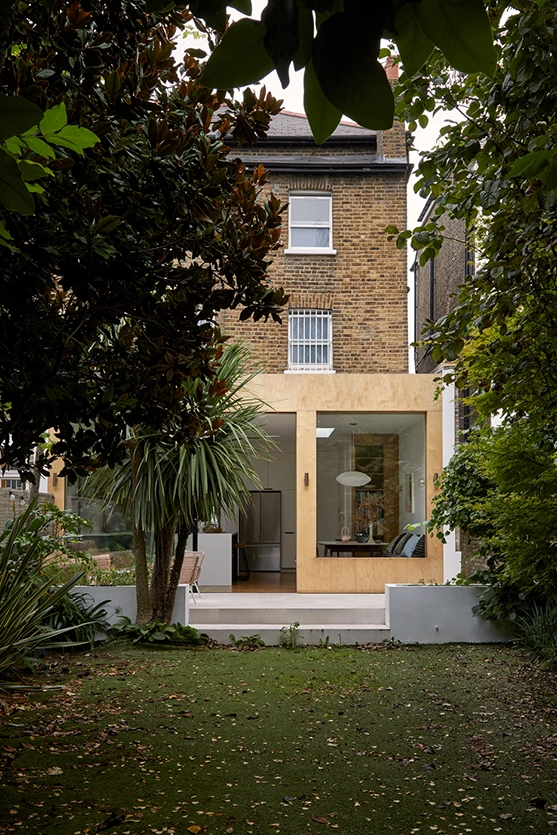
Rear and loft extensions, being newer interventions, offer more freedom for contemporary design that still feels deeply connected to the rest of the home.
Here, Japanese principles of Ma (space), Hikari (light) and Shizen (nature) can be integrated more boldly:
Balanced glazing that frames views rather than overwhelming them
Concealed structural elements to maintain visual flow
Joinery that guides movement and provides quiet order
Materials that transition seamlessly from old to new
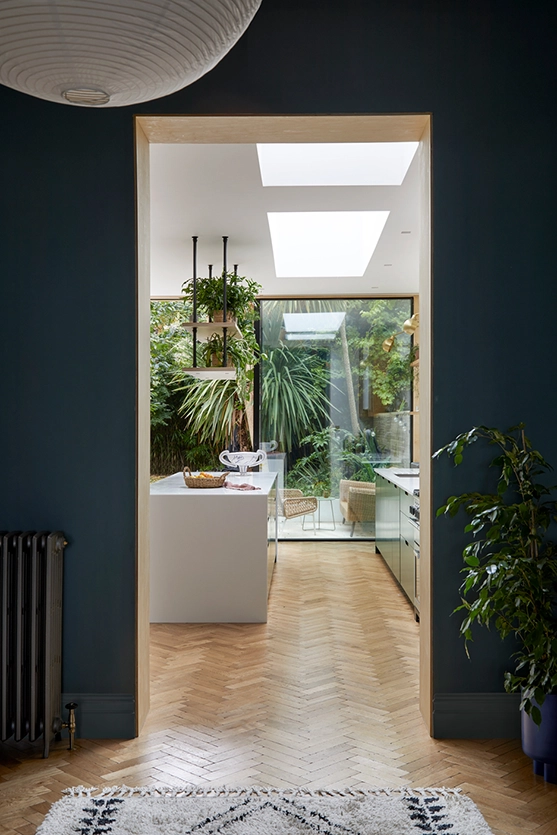
Large openings or exposed beams can disrupt serenity by breaking visual continuity. When we design extensions, we consider not only the interior flow but also the garden, ensuring the view outward is intentional and restorative.
Because YKD also designs landscapes, we treat glazing, thresholds and planting as one holistic composition. What you see through the window becomes part of the room, not an afterthought.
4. Nagame — Designing Views That Create Calm
Nagame, the principle of designing the view, is essential for serenity. It shapes how a home feels psychologically, influencing whether a room encourages rest or creates distraction.
Victorian layouts can be intricate, so we use Nagame to refine sightlines:
Aligning views to greenery or soft daylight
Using openings to reveal “moments” — a sculptural piece, a tranquil corner, a framed sky
Creating a visual hierarchy so the eye knows where to rest
Avoiding cluttered lines of sight
This principle extends into the garden. A well-considered planting scheme softens boundaries, enhances privacy and brings seasonal shifts into the home — a sensitivity central to Japanese living.
5. Shizen — Bringing Nature Into Victorian Architecture
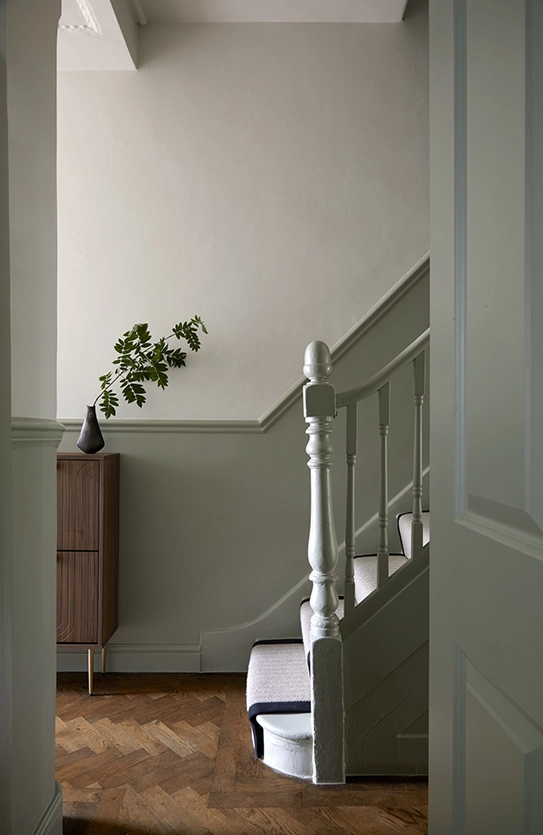
Victorian homes were often darker, heavier and more enclosed. Introducing Shizen, our nature-led design principle, brings warmth, softness and an essential sense of calm.
Shizen can be woven in through:
Timber with natural grain
Textured limewash or clay finishes
Gentle, filtered light
Organic fabrics such as linen and wool
Layered greenery indoors and outdoors
A harmonised transition between interior and garden
Nature anchors a home emotionally. It softens Victorian formality and enriches it with life and warmth — creating spaces that invite slower, more meaningful living.
Old and New in Harmony: A Home That Supports the Life You Want to Lead
When approached through the lens of Japanese philosophy, Victorian architecture doesn’t need simplifying — it needs honouring.
Japanese design doesn’t ask you to live minimally; it asks your home to support clarity, calm and connection.
By combining proportion, light, nature and thoughtful restraint, you can create a home that feels both dignified and deeply peaceful — a place where you can truly enjoy time with the people you love.
If you’d like to explore these ideas more deeply, we’ve created a gentle, six-day introduction to the Japanese design principles we use in every project.
Subscribe to the guide here: Serene Spaces – Your Guide to Japanese-Inspired Design