
Recently, while exploring the traditions of Japanese ceramics, we were reminded of how profoundly objects can shape not just what we see, but what we feel. In Japan, the vase is never a mere container—it is an essential part of the composition, inseparable from the flowers, branches, and water it holds. This philosophy resonates deeply with our own approach at YKD: design that does not dominate, but quietly frames and elevates life within the home.
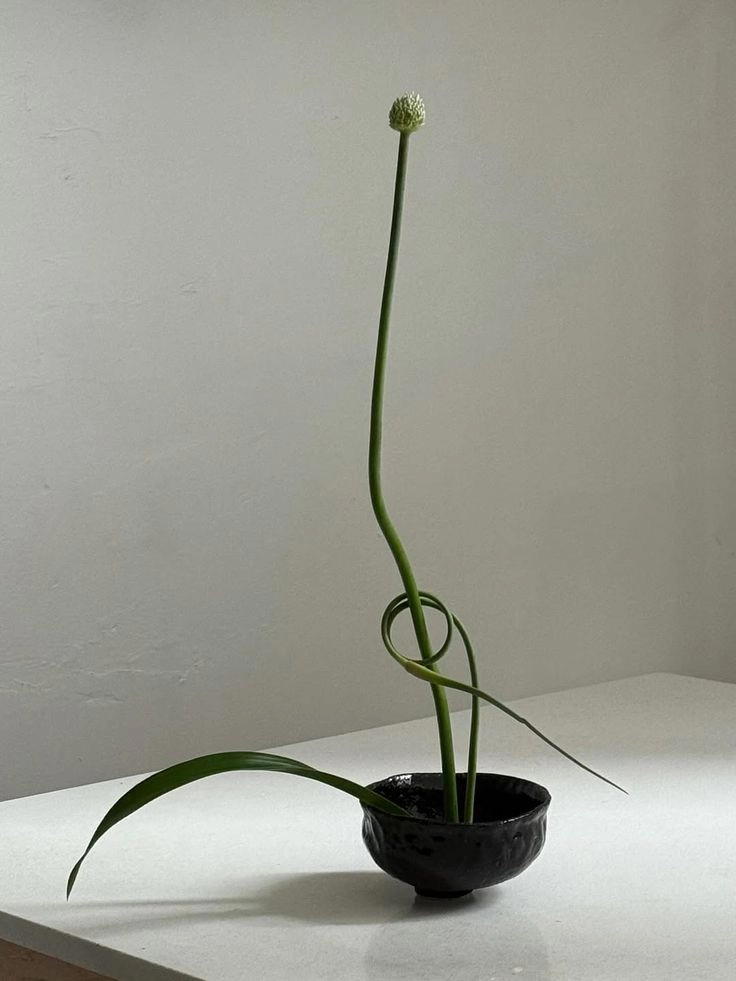
Forms That Shape Space
Traditional Japanese vases come in a variety of forms, each crafted with intention. The suiban, low and wide, allows water and branches to spread horizontally, creating a landscape within a vessel. The rounded tsubo, with its narrower opening, embraces fuller arrangements with quiet strength. The tall, cylindrical sundō frames a single elegant stem, drawing the gaze upwards. These vessels were developed alongside Kadō—the Japanese art of flower arrangement—where every choice is made to highlight nature’s form and spirit. Just as these vases frame flowers, so too can interiors frame daily rituals, allowing them to become moments of calm.
Craft and Regional Diversity
The making of Japanese ceramics follows a rhythm of forming, drying, firing, glazing, and re-firing. Yet there is no single “Japanese style.” Across the country, hundreds of ceramic-producing regions (sanchi) draw on their own clays and minerals, creating distinctive finishes and textures. Some favour rough, earthy tactility; others are known for smooth, porcelain clarity. This regional diversity speaks to a wider truth: authentic design always respects the materials of place. At YKD, we embrace this lesson—natural materials chosen for their integrity and story bring richness that no artificial substitute can match.
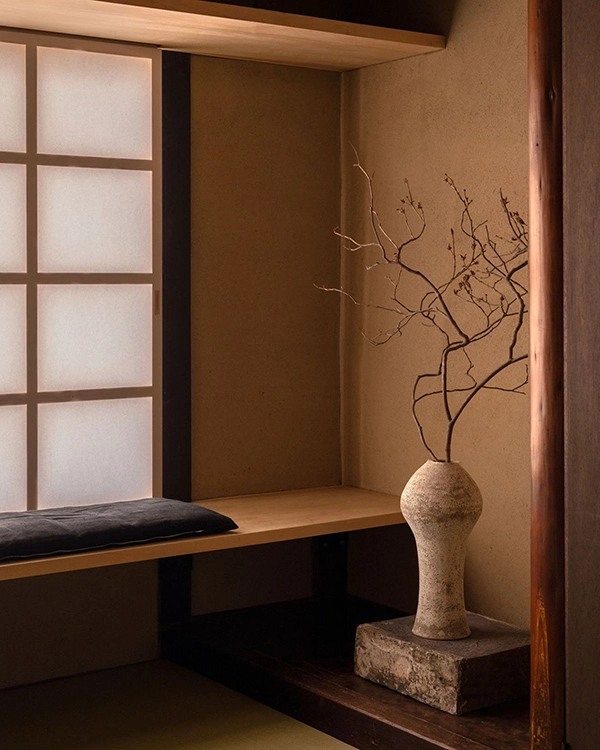
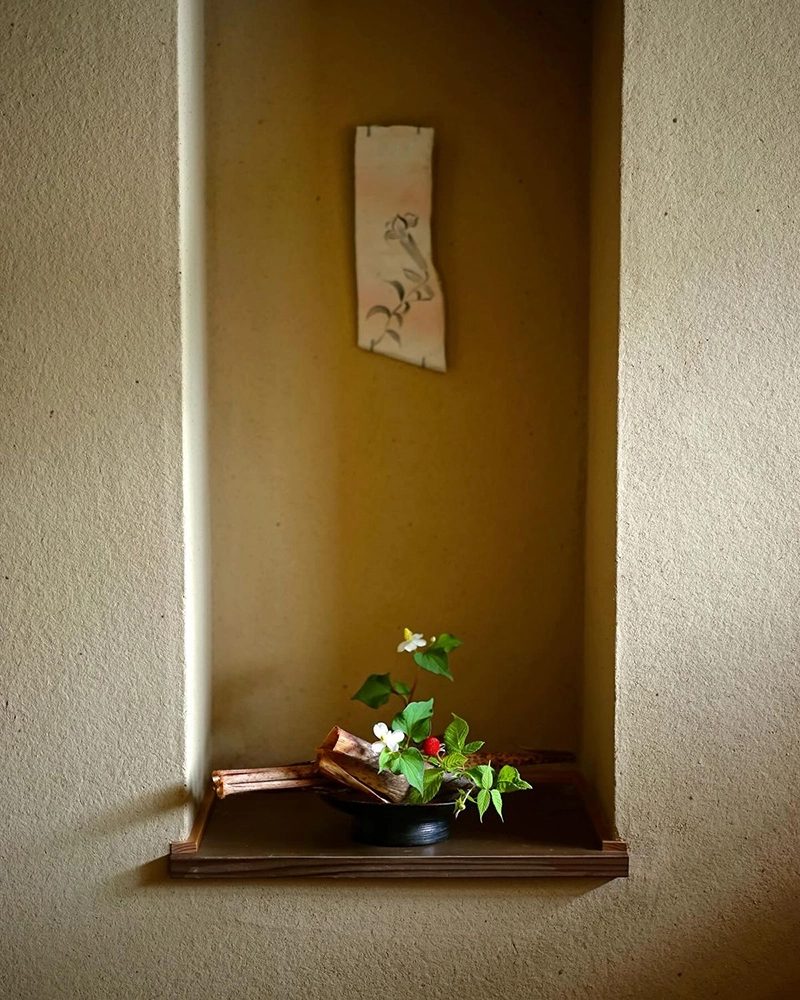
Living with Vessels
What can we take from this tradition in our own homes? To see objects not as isolated pieces, but as part of a larger composition. A vase is never just a vase; it becomes a frame for nature, for seasonality, for change. The same is true of interiors: the success of a space lies not in its decoration, but in how it harmonises with the lives lived within it. When we design, we think not only about form and finish, but about the moments those choices will hold—the morning coffee in a quiet kitchen, the glow of evening light across a timber wall.
A Home You Want to Be In
Ultimately, the homes we design are meant to be lived in — not tiptoed around. When you walk barefoot on real timber or feel the lightness of linen curtains in a summer breeze, you understand the quiet joy of choosing the real thing. This is not about luxury — it’s about a way of living that feels whole, calm, and grounded. And it starts with the materials you invite into your life.

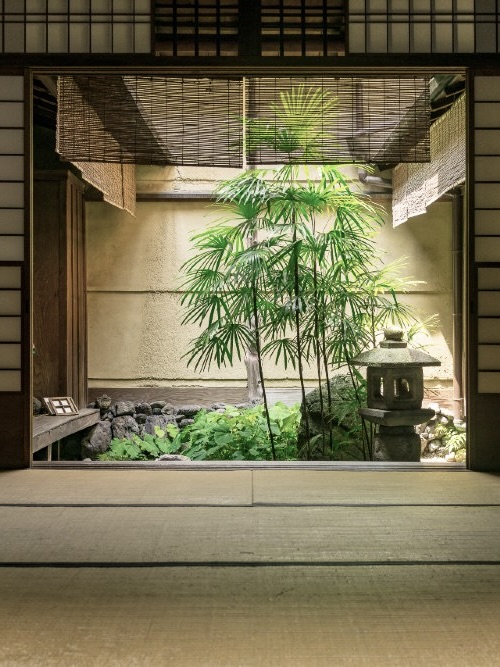
5. Courtyard & Garden Integration
Even traditional urban homes include small inner courtyards or shaded garden pockets to cool incoming air and create quiet retreat zones that enhance airflow and microclimate .
At its heart, Japanese design teaches us to celebrate restraint, imperfection, and harmony with nature. And in doing so, it reminds us that the most meaningful beauty is never loud—it is found in the quiet frames that make everyday life feel whole.